

 TempleBarDublin.ie
 Temple Bar’s Cultural Renaissance Takes Shape
Intro — Dublin Mood
On a damp evening along Essex Street West, the cobblestones of Temple Bar shine like varnished wood. Delivery vans idle near Crown Alley, a busker tunes quietly under the Ha’penny Bridge approach, and the smell of hops drifts from pub doors opening and closing in rhythm with the crowd. Temple Bar has always been loud, but listen closely and another register is emerging — rehearsals behind thick Georgian walls, gallery lights clicking on, conversations about leases, use, and purpose. Locals say the neighbourhood feels restless again, not in the chaotic way of stag nights, but in the way cities change when pressure finally forces a rethink.
Fleet Street still funnels foot traffic toward the river, but between the noise are pauses: a poster for a small theatre run, a café extending daytime hours, a rehearsal piano audible from an upper floor. According to city archives, Temple Bar has lived many lives — Viking shoreline, mercantile quarter, near-demolition zone — and today’s atmosphere suggests another transition. This is not a rebrand. It is a recalibration, happening quietly, lease by lease.
Context & Stakes
The idea of a “cultural renaissance” in Temple Bar arrives after years of criticism. News reports from the Irish Times and Dublin Inquirer have documented tensions between tourism-driven businesses and cultural tenants priced to the margins. Property listings show gradual diversification: shorter-term pop-ups, studio spaces, and daytime uses returning to streets long dominated by night trade. Why now? Pandemic-era vacancies cracked open long-fixed patterns, giving the city and private owners room to experiment. What’s at stake is Temple Bar’s identity — whether it remains a caricature or reclaims its original mandate as Dublin’s cultural quarter.
The Historian’s Lens
Temple Bar’s modern identity was shaped in the late 1980s when planned demolition for a transport hub stalled. According to city archives, temporary cultural uses were encouraged, creating an accidental arts district that later became policy. Buildings along Curved Street and East Essex Street still bear layers of adaptation — warehouses turned theatres, offices turned studios. The current moment echoes that earlier improvisation, but with sharper economic pressure and stronger public scrutiny.
The Foodie/Pint-Seeker’s Lens
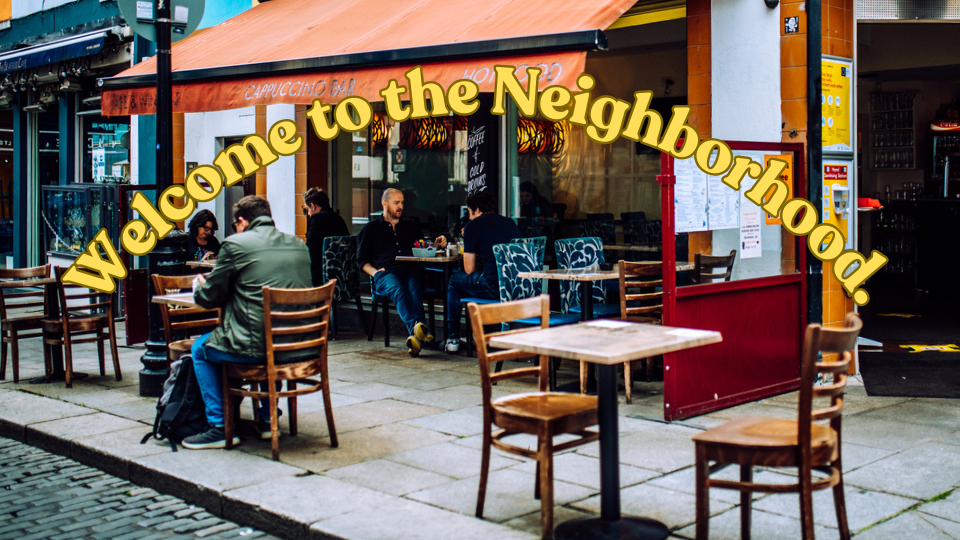
For drinkers, the shift is subtle. Pubs remain, but hours are stretching earlier, food offerings getting simpler and better. Locals say daytime trade — coffee, light lunches, post-rehearsal pints — feels like a return rather than a novelty. The pint is no longer the only anchor.
The Instagrammer’s Lens
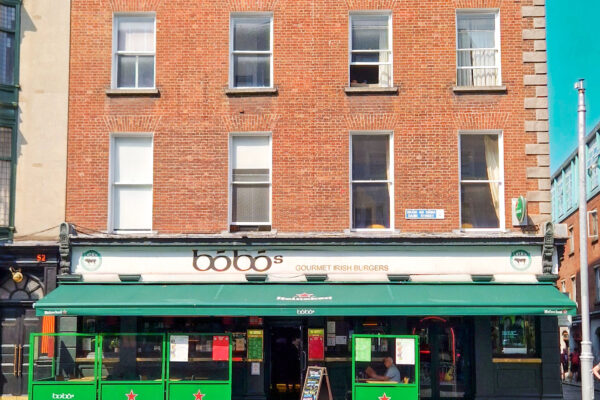
Visually, Temple Bar is changing in small ways: cleaner shopfronts, hand-painted signage, warm interior light spilling onto wet stone. Early mornings after rain on Cow’s Lane or blue hour along the Liffey edge offer frames that feel lived-in, not staged.
Reader Hook
Read our earlier piece on how Fleet Street leases are quietly shifting on TempleBarDublin.ie.
Parting Thought
Near closing time, a conversation drifts from a doorway — about funding, about rehearsal space, about staying put. Rain starts again. Neon hums. Temple Bar, for all its noise, is listening to itself.